
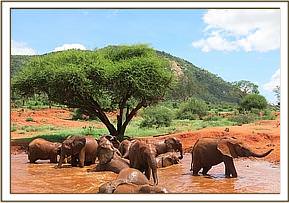
Tsavo East National Park is not only one of the largest protected areas in Kenya but also a critical stronghold for biodiversity conservation. Covering over 13,747 square kilometers, the park faces significant environmental challenges due to poaching, habitat degradation, and climate change. Conservation efforts are vital to preserving its unique wildlife, including endangered species such as elephants, black rhinos, and African wild dogs. Below is an in-depth look at the key conservation initiatives in Tsavo East and how you can contribute to protecting this natural wonder.
Conservation Projects in Tsavo East: How the Park Protects Wildlife
Conservation in Tsavo East is coordinated primarily by Kenya Wildlife Service (KWS) and supported by specialist partners such as Tsavo Trust, the David Sheldrick Wildlife Trust, and regional conservation organisations.
Key focus areas include:
- Protection of elephant and predator populations
- Securing key water sources and dry-season refuges
- Maintaining wildlife corridors and dispersal areas
- Reducing poaching and illegal wildlife trade
- Supporting communities living alongside the park
Because Tsavo East is so large, conservation here is landscape-scale—focused not only on animals inside the park, but also on the wider ecosystem that supports their movement and survival.
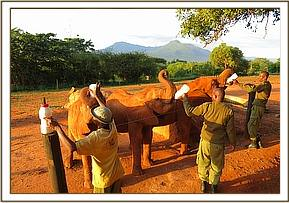
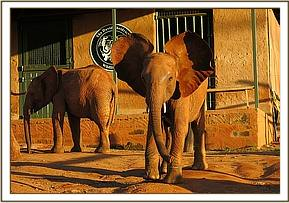
See below feature of Sheldrick’s work operating one of the Elephant Orphanages in Voi, Tsavo East:
- The David Sheldrick Wildlife Trust (DSWT) runs the Southern Rehabilitation Unit at Voi in Tsavo East, continuing a conservation legacy begun by David Sheldrick in the 1950s.
- David Sheldrick helped establish Tsavo’s early infrastructure after the park was gazetted in 1949 and pioneered the rescue and rehabilitation of orphaned elephants and rhinos.
- The Voi Stockades now serve as the key transition site for elephants raised at the Nairobi Nursery, preparing them for a return to the wild.
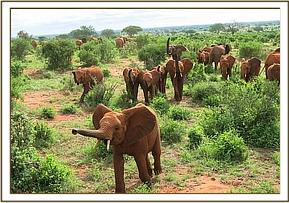
- To date, DSWT has successfully hand-reared over 150 orphaned elephants, with dozens fully reintegrated into wild Tsavo herds—some now raising their own calves.
- The program includes keeper-led daily field care, close monitoring, and gradual exposure to wild herds to ensure proper social and ecological reintegration.
- A secure recovery enclosure at Voi supports injured or distressed ex-orphans returning for treatment and rehabilitation.
- DSWT’s Tsavo work is widely regarded as one of the most successful elephant rehabilitation and reintegration programs in Africa, contributing directly to long-term population recovery in the Tsavo ecosystem.
Tsavo East National Park Conservation Efforts
Overview: Tsavo East plays a central role in the conservation of Kenya’s wildlife and landscapes. The park’s vast open plains, river systems, and volcanic soils support a diverse range of ecosystems that are crucial for the survival of many species.
Key Efforts:
- Habitat Restoration: Conservation teams focus on protecting and restoring critical habitats, such as the Galana River corridor, which supports many of the park’s large herbivores and predators.
- Community Engagement: Local communities are actively involved in conservation efforts through initiatives that promote eco-tourism, sustainable livelihoods, and education about the importance of wildlife preservation.
How You Can Help: Visitors can support conservation efforts by choosing eco-friendly safaris, participating in conservation-focused tours, and donating to reputable conservation organizations working in Tsavo East.
Wildlife Protection Initiatives in Tsavo East
Overview: Tsavo East is home to a range of iconic species, including elephants, lions, giraffes, and cheetahs. Protecting these animals from threats such as poaching and habitat loss is a priority for conservationists in the region.
Key Initiatives:
- Endangered Species Protection: Special focus is placed on vulnerable species like the black rhino and African wild dog. These efforts include habitat monitoring, breeding programs, and collaborations with international wildlife organizations.
- Ranger Patrols: The Kenya Wildlife Service (KWS) operates regular patrols across Tsavo East to monitor wildlife populations and protect them from illegal activities.
How You Can Help: You can support wildlife protection by donating to organizations funding ranger patrols or by adopting endangered animals through wildlife programs.
Anti-Poaching Efforts in Tsavo East
Overview: Poaching remains one of the most significant threats to wildlife in Tsavo East. Elephants, in particular, are targeted for their ivory, and anti-poaching efforts are crucial to safeguarding these majestic animals.
Tsavo was once one of Africa’s most heavily poached landscapes, particularly during the ivory crisis of the 1970s and 1980s. Today, protection has improved dramatically through:
- Armed ranger patrols and rapid response units: KWS operates an extensive network of rangers who conduct daily patrols in and around the park. These patrols focus on detecting and deterring poaching activities.
- Aerial surveillance and intelligence-led operations: Drones, GPS tracking, and remote surveillance systems are increasingly being used to monitor wildlife and respond quickly to poaching incidents.
- Cross-agency cooperation against wildlife crime networks: Conservation organizations partner with local and international stakeholders to combat poaching, including providing training and resources for rangers.
- Community informant networks and early warning systems
Organisations like Tsavo Trust and KWS now operate highly mobile units that can respond quickly to threats across this vast terrain. While poaching risk has not disappeared, elephant and other key species have shown strong recovery, proving that sustained protection works.
How You Can Help: Visitors can contribute by reporting any suspicious activities during their safari or supporting anti-poaching units through financial contributions to organizations like Save the Elephants or the David Sheldrick Wildlife Trust.
Elephant Conservation in Tsavo East National Park
Overview: Tsavo East is famous for its large population of “red elephants,” which play a crucial role in the park’s ecosystem. However, poaching and human-wildlife conflict pose ongoing threats to their survival.
Conservation Focus:
- Anti-Poaching Efforts: Intensive anti-poaching measures, including ranger patrols, are key to protecting elephants from poachers.
- Human-Elephant Conflict Mitigation: Conservationists work with local communities to reduce conflicts between humans and elephants by creating buffer zones and supporting alternative farming practices.
- Research and Monitoring: Ongoing research helps track elephant populations and movements, ensuring conservation strategies are effectively targeted.
How You Can Help: By supporting organizations like Tsavo Trust, which focuses on elephant conservation, you can directly contribute to protecting these majestic creatures.
Environmental Challenges Facing Tsavo East
Overview: In addition to poaching, Tsavo East faces a range of environmental challenges, including habitat degradation, water scarcity, and the effects of climate change.
Key Challenges:
- Drought and Water Scarcity: Prolonged droughts threaten the availability of water for wildlife. Conservationists are working to maintain waterholes and restore natural water sources.
- Climate Change: The changing climate has impacted vegetation growth, animal migration patterns, and the availability of food and water resources, creating a more challenging environment for wildlife survival.
- Human Encroachment: Population growth around the park has led to increased human-wildlife conflict and habitat loss as communities expand into previously protected areas.
How You Can Help: Visitors can minimize their environmental footprint by supporting eco-friendly lodges and conservation efforts focused on mitigating climate change effects and restoring degraded habitats.
Protecting Endangered Species in Tsavo East
Overview: Tsavo East is home to several endangered species, including the black rhinoceros, African wild dog, and Grevy’s zebra. These species face significant threats from poaching, habitat destruction, and climate change.
Conservation Focus:
- Species-Specific Conservation: Conservation organizations and the Kenya Wildlife Service (KWS) focus on protecting these species through targeted breeding programs, habitat restoration, and anti-poaching initiatives.
- Habitat Corridors: Efforts are underway to create safe corridors for endangered species to move between protected areas, helping to ensure genetic diversity and healthier populations.
How You Can Help: Supporting conservation programs such as the Rhino Ark Charitable Trust and participating in awareness campaigns can help secure the future of endangered species in Tsavo East.
Community Conservation Around Tsavo East
Long-term conservation in Tsavo East depends on the people who live around it. Communities in Taita-Taveta, Kitui, and surrounding areas share land, water, and grazing space with wildlife—and often bear the costs of conflict.
Community-focused conservation includes:
- Human–wildlife conflict mitigation (early warning systems, fencing, response teams)
- Livelihood support linked to conservation and tourism
- Education and conservation awareness programs
- Support for community conservancies and wildlife-friendly land use
The goal is simple but critical: wildlife must be worth more alive than in conflict for conservation to endure.
Research Programs in Tsavo East National Park
Tsavo East is one of Kenya’s most important long-term wildlife research landscapes. Ongoing and past studies include:
- Elephant population monitoring and movement ecology
- Predator–prey dynamics in semi-arid ecosystems
- Vegetation and habitat change over time
- Impacts of infrastructure and land-use change on wildlife movement
- Climate and drought resilience studies
Data from Tsavo feeds directly into national conservation planning, especially for elephants, corridors, and dryland ecosystem management.
Protecting Tsavo East’s Elephants
Tsavo is world-famous for its elephants, including the iconic “red elephants” dusted in iron-rich soil. The ecosystem supports one of Kenya’s largest elephant populations, making protection here a national priority.
Elephant conservation focuses on:
- Anti-poaching patrols and surveillance
- Protection of key migration routes and dispersal areas
- Securing water sources in dry seasons
- Reducing conflict at park boundaries
Because elephants range far beyond park borders, their survival depends on both protected areas and surrounding landscapes working together.
Rhino Conservation in and Around Tsavo
While Tsavo East itself is not the main rhino stronghold, the greater Tsavo ecosystem—especially Tsavo West—plays a critical role in Kenya’s black rhino conservation. Intensive protection, monitoring, and sanctuary management in the region contribute to national recovery efforts.
These programs involve:
- 24/7 security and monitoring
- Careful habitat management
- Translocations and population management
- Long-term genetic and demographic planning
Tsavo’s scale provides crucial space for future conservation expansion.
Habitat Management in Tsavo East
Protecting wildlife means protecting the landscape itself. Habitat management in Tsavo East includes:
- Water point and dam management during droughts
- Fire management and vegetation monitoring
- Protection of riverine and dry-season refuges
- Controlling habitat degradation from overuse or encroachment
In a semi-arid system, small changes in water and vegetation can have huge impacts on wildlife survival and distribution.
Climate Change Impacts on Tsavo East
Climate models and long-term rainfall records show that southeastern Kenya is experiencing:
- More frequent and severe droughts
- Greater rainfall variability
- Increased pressure on permanent water sources
For Tsavo East, this means:
- Wildlife concentrates around fewer refuges in dry years
- Competition for water increases between wildlife and people
- Habitat recovery after drought becomes slower and less predictable
Climate resilience is now a core conservation priority, not a future concern.
How Your Park Fees Support Conservation
Every visitor to Tsavo East contributes directly to conservation. Park entry fees and tourism revenue help fund:
- Ranger salaries and patrol operations
- Anti-poaching and surveillance programs
- Infrastructure maintenance (roads, airstrips, gates)
- Community conservation initiatives
- Research and monitoring work
Responsible tourism is not just travel—it is one of the main financial pillars keeping Tsavo protected.
Volunteering Opportunities in Tsavo East
Volunteering in Tsavo East is limited and carefully controlled to protect wildlife and ensure ethical practice. Opportunities, where available, usually focus on:
- Conservation research assistance
- Community conservation support
- Habitat and monitoring projects
- Education and awareness programs
Prospective volunteers should work only with reputable, conservation-focused organisations and understand that Tsavo is a serious conservation landscape, not a casual volunteer destination.
The Big Picture: Why Tsavo East Conservation Matters
Tsavo East is not a small, intensively managed park. It is a continental-scale ecosystem that:
- Anchors elephant conservation in Kenya
- Supports wide-ranging predators and plains wildlife
- Protects critical dryland habitats and water systems
- Connects multiple conservation landscapes across southern Kenya
Its future depends on strong protection, good science, community partnership, and sustained funding.
Conservation in Tsavo East is not optional—it is essential to keeping one of Africa’s last great wilderness systems alive and functioning for generations to come.
TsavoPark.org’s View on Conservation: Tsavo Conservation Seems to be Working:
Below is a summary of their post titled, Is Coservation Working?
Taken together, the evidence strongly suggests that conservation in Tsavo is moving in the right direction, even though the pressures on wildlife are greater than ever.
First, the global context makes Tsavo’s performance especially significant. When 96% of the world’s mammal biomass is now made up of humans and livestock and only 4% remains as wild mammals, wildlife is clearly being squeezed into ever smaller spaces. With only 13% of land and 8% of oceans under protection worldwide, and just 8% of Kenya’s land formally protected, any large, functioning conservation landscape that still supports growing wildlife populations is already an achievement.
Within Kenya, the Tsavo Conservation Area stands out because of its sheer scale and structure. At roughly 42,000 km², with over 25,000 km² under protection, and representing almost half of Kenya’s protected area estate, Tsavo provides exactly the kind of large, connected “fortress” core area that research shows is most effective for elephant conservation. This is not just theory: aerial surveys between 2014 and 2017 recorded a 14.7% increase in elephant numbers in Tsavo, a rare and concrete indicator that protection on the ground is translating into population recovery.
Equally important is how Tsavo is being managed beyond park boundaries. The core protected areas are complemented by buffer zones and dispersal routes toward places like the Chyulu Hills and Amboseli, allowing elephants to move in response to rainfall and forage conditions rather than being trapped in shrinking islands of habitat. This landscape approach matches what science identifies as best practice for long-term elephant survival.
At the human level, initiatives such as Tsavo Trust’s 10% fence plan and community ranger training show that conservation is no longer only about protecting animals from people, but also about protecting people’s livelihoods from wildlife. By reducing crop losses, creating local jobs, and lowering conflict, these programs help secure the social foundation that conservation needs to last.
Finally, Tsavo’s progress fits into a broader positive trend. Across much of sub-Saharan Africa, elephant populations are now stabilising or increasing where protection is strong and landscapes are connected, and globally the 30×30 initiative—to protect 30% of land and oceans by 2030, supported by over 190 countries—signals growing political commitment to scaling up what works.
In short, while challenges like drought, climate change, and human–wildlife conflict remain serious, Tsavo shows that large, well-connected protected areas combined with community-focused conservation can deliver real results. The documented growth in elephant numbers, the scale of the protected landscape, and the strengthening of coexistence measures all point to a system that is not perfect—but clearly heading in the right direction.
Conclusion: How You Can Contribute to Conservation in Tsavo East
Visitors to Tsavo East National Park can play a key role in conservation efforts by choosing responsible safari operators, supporting local communities, and donating to reputable conservation organizations. Whether through financial contributions, volunteer programs, or simply raising awareness, your efforts can help preserve the incredible biodiversity of this natural wonder for future generations.
By understanding the wildlife protection, anti-poaching, and environmental challenges that Tsavo East faces, you can become an advocate for conservation and ensure the park remains a safe haven for Kenya’s unique and endangered species.
FAQs on Conservation in Tsavo East National Park
1. What are the main conservation challenges in Tsavo East?
- The key challenges include poaching, habitat loss, human-wildlife conflict, and climate change. These issues affect wildlife populations, particularly elephants, rhinos, and predators, and are exacerbated by increasing human activity around the park.
2. How does Tsavo East protect its elephants?
- Anti-poaching units, ranger patrols, and advanced technologies like drones and GPS tracking are used to protect elephants. Conservation groups also work to mitigate human-elephant conflicts by creating buffer zones and implementing sustainable farming techniques in nearby communities.
3. What is being done to prevent poaching in Tsavo East?
- Tsavo East has dedicated anti-poaching teams patrolling the park daily. These teams use satellite tracking, sniffer dogs, and intelligence-led operations to track poachers. Partnerships with global organizations also strengthen these efforts, helping to fund and train rangers.
4. What endangered species are found in Tsavo East?
- Key endangered species include the black rhinoceros, African wild dog, and Grevy’s zebra. Conservation programs are in place to monitor these species, protect their habitats, and prevent poaching.
5. What role do local communities play in conservation?
- Local communities are involved in wildlife protection, eco-tourism, and education programs. They act as rangers, guides, and eco-tourism hosts while benefiting from conservation-driven economic opportunities. Community-led initiatives reduce human-wildlife conflict and promote sustainable livelihoods.
6. How is Tsavo East addressing habitat loss?
- Conservationists are focused on habitat restoration, including reforestation efforts and the maintenance of critical ecosystems such as the Galana River corridor. Projects aim to protect water sources, maintain biodiversity, and provide more stable habitats for wildlife.
7. What is being done to protect the black rhinoceros in Tsavo East?
- The black rhinoceros is monitored closely in Rhino Sanctuaries within the park, which are secured by fencing and patrolled by dedicated teams. Conservation organizations also run breeding programs and anti-poaching campaigns to protect the species from extinction.
8. How does climate change impact conservation efforts in Tsavo East?
- Droughts and changing weather patterns have reduced water and food availability for wildlife. Conservationists are addressing this by maintaining waterholes and encouraging natural vegetation growth, as well as focusing on long-term resilience planning for climate-adaptive strategies.
9. Are there any eco-tourism initiatives linked to conservation in Tsavo East?
- Yes, eco-tourism is a key part of Tsavo East’s conservation strategy. Lodges and camps operate under sustainable practices, and a portion of the tourism revenue supports wildlife protection and community development. Tourists can also engage in conservation-focused safaris and volunteer programs.
10. How can visitors to Tsavo East contribute to conservation efforts?
- Visitors can contribute by choosing eco-friendly safari operators, donating to conservation programs, reporting any suspicious activities, and participating in conservation tours. Supporting local community initiatives also helps bolster sustainable practices around the park.
11. What technologies are being used in Tsavo East conservation?
- Tsavo East utilizes modern technologies like drones, camera traps, and GPS collars to monitor wildlife populations and poaching activities. These technologies allow for real-time data collection, improving response times to threats and enhancing conservation strategies.
12. How are human-wildlife conflicts managed in Tsavo East?
- Conservationists work on conflict mitigation through the use of bee fences, community education programs, and compensating farmers for livestock losses. These efforts help create peaceful coexistence between humans and wildlife, particularly in areas prone to elephant raids and predator attacks.
13. Are there research programs focused on conservation in Tsavo East?
- Yes, Tsavo East is home to various research projects focusing on endangered species, wildlife behavior, habitat use, and ecosystem health. Collaborative efforts between Kenya Wildlife Service (KWS), NGOs, and universities ensure that conservation practices are informed by the latest scientific data.
14. How does Tsavo East manage its water resources for wildlife?
- Conservation teams work to maintain seasonal waterholes and restore natural rivers like the Galana River. By ensuring consistent water availability, they support both the park’s wildlife and reduce competition between species, especially during the dry season.
15. What is the future outlook for conservation in Tsavo East?
- With ongoing conservation efforts, including anti-poaching initiatives, habitat restoration, and community involvement, Tsavo East’s wildlife populations are being safeguarded. Continued global support and sustainable tourism will be critical to the park’s long-term ecological health and the protection of its endangered species.
16. What are the key habitat restoration efforts in Tsavo East?
- Habitat restoration in Tsavo East includes reforestation programs, invasive species control, and efforts to restore critical ecosystems like the Galana River basin. Conservationists are also working to replenish natural vegetation and create sustainable water sources for wildlife.
17. How are predator populations, like lions and cheetahs, protected in Tsavo East?
- Predator monitoring programs, such as using GPS collars on lions and cheetahs, track movements and help prevent conflicts with nearby communities. Anti-poaching patrols and prey population management are also critical in maintaining healthy predator populations.
18. Is there a dedicated team for rhino conservation in Tsavo East?
- Yes, there are dedicated teams and rhino protection units that patrol Tsavo East’s Rhino Sanctuary. These units work closely with the Kenya Wildlife Service (KWS) and global organizations to prevent poaching and manage rhino populations through surveillance and breeding initiatives.
19. How does Tsavo East collaborate with international conservation organizations?
- Tsavo East collaborates with organizations like WWF, Save the Elephants, and the David Sheldrick Wildlife Trust, focusing on funding, research, and implementing conservation strategies. These partnerships help strengthen efforts against poaching and promote the recovery of endangered species.
20. What are the main anti-poaching challenges in Tsavo East?
- Despite increased patrolling and technology, poaching remains a significant challenge due to the vast size of the park and sophisticated poaching networks. However, advanced technologies like drones and satellite tracking, alongside better ranger training, are improving anti-poaching effectiveness.
21. How are local communities incentivized to participate in conservation?
- Local communities benefit from conservation through eco-tourism revenue, employment opportunities, and community development projects. Many initiatives provide education and sustainable alternatives to activities that could harm wildlife, encouraging community-led conservation efforts.
22. What is the role of rangers in Tsavo East’s conservation efforts?
- Rangers are at the frontline of Tsavo East’s conservation efforts. They conduct daily patrols, track wildlife movements, respond to poaching threats, and educate local communities. Rangers also work with anti-poaching units to enforce wildlife protection laws.
23. How is bushmeat poaching addressed in Tsavo East?
- Bushmeat poaching is countered through increased surveillance, patrols, and community education. By providing alternative livelihoods, such as eco-tourism jobs, conservation groups aim to reduce the reliance on illegal hunting for sustenance.
24. What educational programs exist for children around Tsavo East?
- Conservation organizations and KWS run environmental education programs in local schools, teaching children about the importance of wildlife conservation and sustainable practices. These programs aim to inspire the next generation to become conservation advocates.
25. How are elephant corridors being maintained or restored in Tsavo East?
- Elephant corridors are being restored and maintained to allow for safe migration routes between Tsavo East, Tsavo West, and neighboring protected areas. This helps prevent human-elephant conflicts and ensures elephants can access food and water without crossing into human settlements.
26. How do research findings influence conservation policy in Tsavo East?
- Research conducted in Tsavo East informs wildlife management policies, anti-poaching strategies, and habitat conservation plans. Data from tracking studies, population surveys, and environmental assessments is used to guide decision-making at the national and local levels.
27. What measures are in place to control invasive species in Tsavo East?
- Invasive species that threaten native plants and animals are managed through eradication programs and the reintroduction of native vegetation. Conservationists monitor the spread of invasive plants and animals and take action to prevent ecosystem disruption.
28. Are there volunteer opportunities in Tsavo East’s conservation programs?
- Yes, several organizations offer volunteer opportunities for individuals interested in conservation. Volunteers can participate in activities like wildlife monitoring, anti-poaching patrols, and habitat restoration projects, contributing directly to conservation efforts.
29. What is the role of technology in Tsavo East’s conservation work?
- Technology plays a crucial role, with tools like drones, camera traps, and GPS collars helping to monitor wildlife, track poachers, and study animal behavior. These tools provide real-time data, which is essential for making informed conservation decisions.
30. How are human settlements affecting Tsavo East’s conservation efforts?
- As human settlements expand around Tsavo East, there is increasing pressure on wildlife habitats, leading to habitat fragmentation and more frequent human-wildlife conflicts. Conservationists are working with local communities to create sustainable land-use plans that reduce encroachment and protect wildlife corridors.