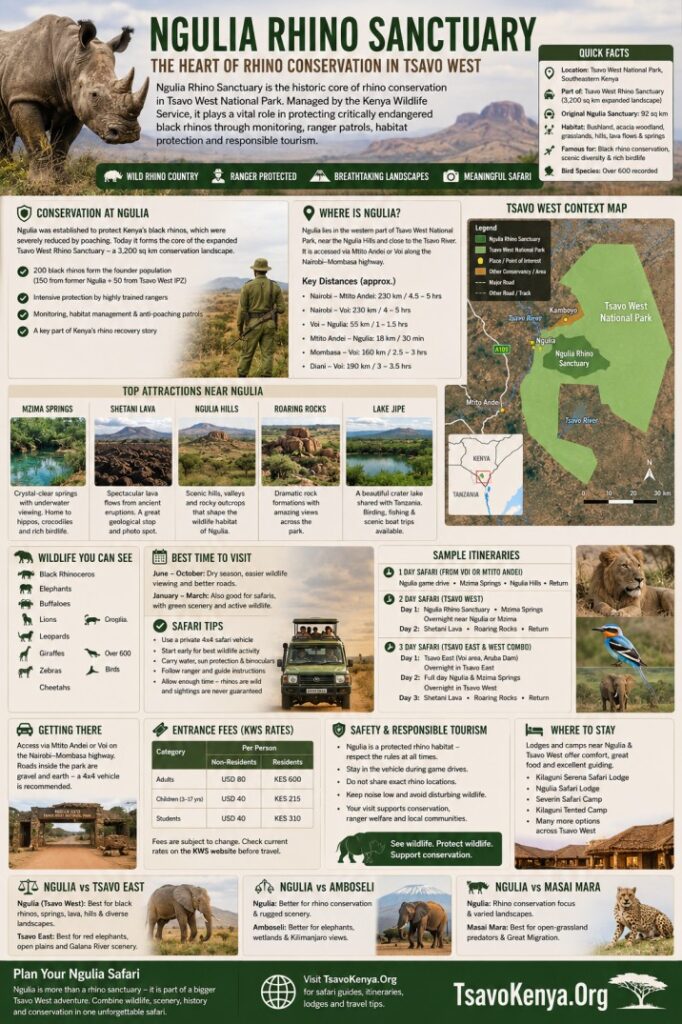
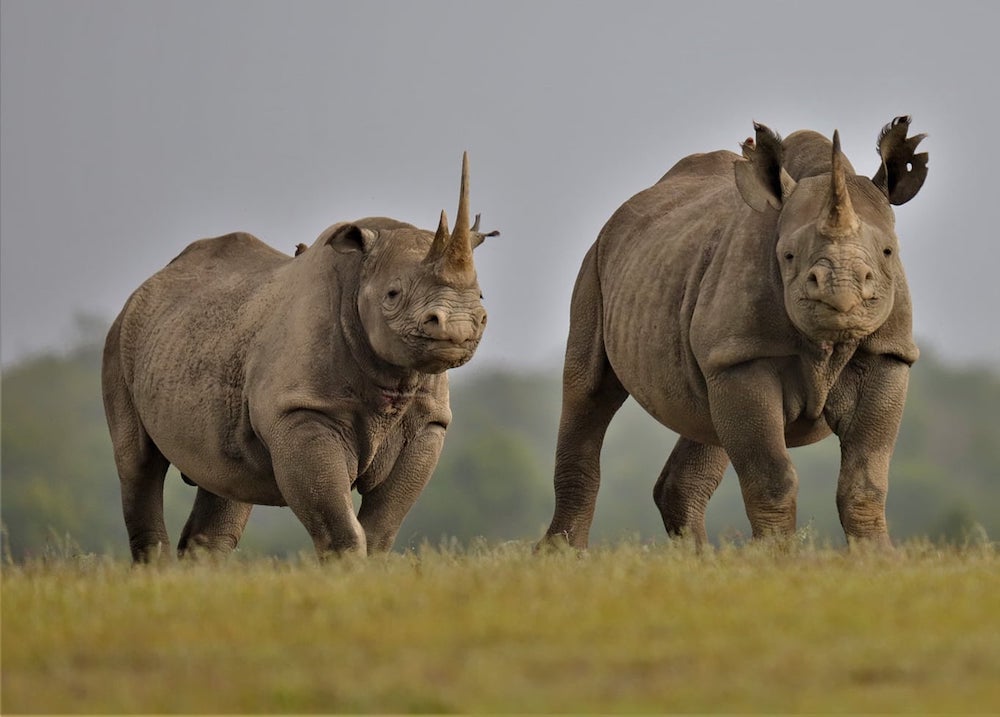
Ngulia Rhino Sanctuary is the historic black rhino protection area inside Tsavo West National Park, and it remains one of the most important rhino conservation landscapes in Kenya. For safari visitors, Ngulia is not a zoo-like enclosure or a guaranteed rhino-sighting stop; it is a managed wild landscape where endangered black rhinos are protected through monitoring, ranger security, habitat management and controlled tourism. Kenya Wildlife Service identifies Tsavo West as home to Ngulia Rhino Sanctuary and lists rhino among the park’s wildlife, alongside elephant, buffalo, lion, leopard, cheetah, giraffe, zebra, crocodile and more than 600 recorded bird species.
Ngulia matters because it connects visitor safari planning with real conservation history. You visit this part of Tsavo West not only to look for rhinos, but also to understand how Kenya protects a species that was heavily reduced by poaching across the wider Tsavo landscape. A good Ngulia safari combines rhino habitat interpretation, patient game drives, responsible guiding, scenic Tsavo West routes, and nearby attractions such as Mzima Springs, Shetani Lava, Chaimu Hill, Roaring Rocks and the broader Ngulia Hills landscape.
Is Ngulia Rhino Sanctuary Worth Visiting?
Ngulia Rhino Sanctuary is worth visiting if you are already planning a Tsavo West safari and want rhino conservation, rugged scenery, birdlife, and a quieter wildlife experience than the more open plains of Tsavo East. It is not ideal if your only goal is a guaranteed rhino photograph within a short, rushed visit.
| Visitor Question | Clear Answer |
|---|---|
| Where is Ngulia Rhino Sanctuary? | Ngulia is inside Tsavo West National Park in southeastern Kenya. |
| Is it the same as Tsavo West Rhino Sanctuary? | Ngulia is the historic rhino sanctuary area; the wider Tsavo West rhino landscape now extends beyond the old Ngulia core. |
| Can you see rhinos there? | Rhinos are present, but sightings depend on habitat, timing, route access and guide experience. |
| How many days do you need? | Two days can work for a focused Tsavo West safari; three days gives a better pace. |
| What should you combine it with? | Mzima Springs, Shetani Lava, Chaimu Hill, Roaring Rocks and wider Tsavo West game drives. |
| Is it suitable for families? | Yes, when the itinerary includes realistic drive times, breaks and clear wildlife-safety guidance. |
What Is Ngulia Rhino Sanctuary?
Ngulia Rhino Sanctuary is a black rhino conservation area within Tsavo West National Park, historically created to protect and rebuild Kenya’s endangered black rhino population in the Tsavo ecosystem.
The sanctuary sits within one of Kenya’s most dramatic dryland parks. Tsavo West combines bushland, grassland, acacia woodland, baobab country, volcanic features, springs, rocky hills and escarpment views. KWS lists Tsavo West’s park size as 7,065 square kilometres and describes the park’s habitats as mixed bush, grasslands and acacia woodlands with baobab, doum palm, tamarind and fig trees.
Ngulia’s meaning has shifted with conservation history. Older guidebooks often describe Ngulia as a compact rhino sanctuary. Current KWS conservation language now places Ngulia within a larger Tsavo West rhino landscape. In December 2025, KWS announced the expanded Tsavo West Rhino Sanctuary, covering 3,200 square kilometres and building on the former Ngulia Rhino Sanctuary.
Is Ngulia Rhino Sanctuary the Same as Tsavo West Rhino Sanctuary?
Ngulia Rhino Sanctuary is the historic core of Tsavo West’s rhino conservation story, while the expanded Tsavo West Rhino Sanctuary refers to the larger rhino protection landscape now surrounding and extending beyond the former Ngulia sanctuary.
KWS states that the enlarged Tsavo West Rhino Sanctuary builds on the former Ngulia Rhino Sanctuary and secures the future of one of Kenya’s critically endangered Eastern black rhino populations. The expanded sanctuary brought together 150 black rhinos from the former Ngulia Sanctuary and 50 from the Tsavo West Intensive Protection Zone, creating a founder population of 200 animals.
| Name Visitors Search | What It Means | How To Use It When Planning |
|---|---|---|
| Ngulia Rhino Sanctuary | Historic rhino sanctuary inside Tsavo West | Use when asking about the traditional rhino area and nearby lodges |
| Tsavo West Rhino Sanctuary | Expanded rhino protection landscape | Use when discussing the current conservation area |
| Tsavo West black rhino sanctuary | Rhino-focused search phrase | Use for conservation and rhino safari planning |
| Ngulia Rhino Conservation Area | Informal descriptive phrase | Use for explaining the conservation function |
| Ngulia Rhino Reserve | Common visitor wording | Clarify that Ngulia is within Tsavo West National Park |
Ngulia is therefore not separate from Tsavo West. It is part of the wider Tsavo West safari and conservation system.
Where Is Ngulia Rhino Sanctuary Located?
Ngulia Rhino Sanctuary is located in Tsavo West National Park, in the wider Ngulia and Tsavo West rhino protection landscape of southeastern Kenya. See the location on Google Maps here
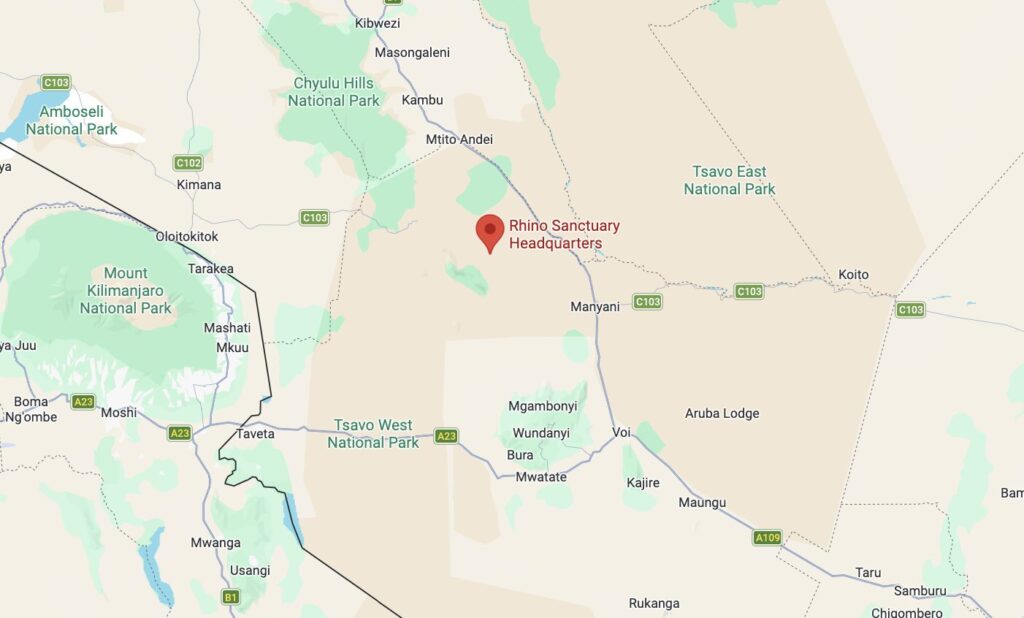
Tsavo West lies along the Nairobi–Mombasa travel corridor and connects naturally with safari routes from Nairobi, Amboseli, Voi, Mombasa and Diani. The Ngulia area is associated with the Ngulia Hills, escarpment scenery, rhino habitat and Tsavo West’s more rugged western landscape.
| Starting Area | How It Connects To Ngulia |
|---|---|
| Nairobi | Works for Tsavo West, Amboseli–Tsavo West circuits and longer southern Kenya safaris |
| Mombasa | Works better with an overnight or multi-day Tsavo West plan rather than a rushed day trip |
| Diani | Works best as part of a 2–3 day Tsavo route, often through Tsavo East and then Tsavo West |
| Voi | Useful gateway area for accessing both Tsavo East and Tsavo West routes |
| Amboseli | Good combination with Tsavo West, especially for elephants, Kilimanjaro views and rhino conservation |
| Tsavo East | Combines well with Ngulia in a 3-day or longer Tsavo East–Tsavo West itinerary |
Ngulia Sanctuary Map
This map below shows Ngulia Rhino Sanctuary located inside Tsavo West National Park, with the sanctuary highlighted as a darker green polygon within the larger light-green boundary of Tsavo West. The map uses a satellite-style background, which helps show the dry bushland, hills, river corridors and rugged terrain around the sanctuary.
Ngulia Rhino Sanctuary appears in the western-central part of Tsavo West, near the label Ngulia and close to the Tsavo River corridor. The wider Tsavo West National Park boundary extends far to the east and south, surrounding major landscape features such as Lake Jipe in the lower central part of the map. Kamboyo is marked north of Ngulia, while Mtito Andei and the A109 road appear to the southwest, showing the important Nairobi–Mombasa highway access route into this part of Tsavo.
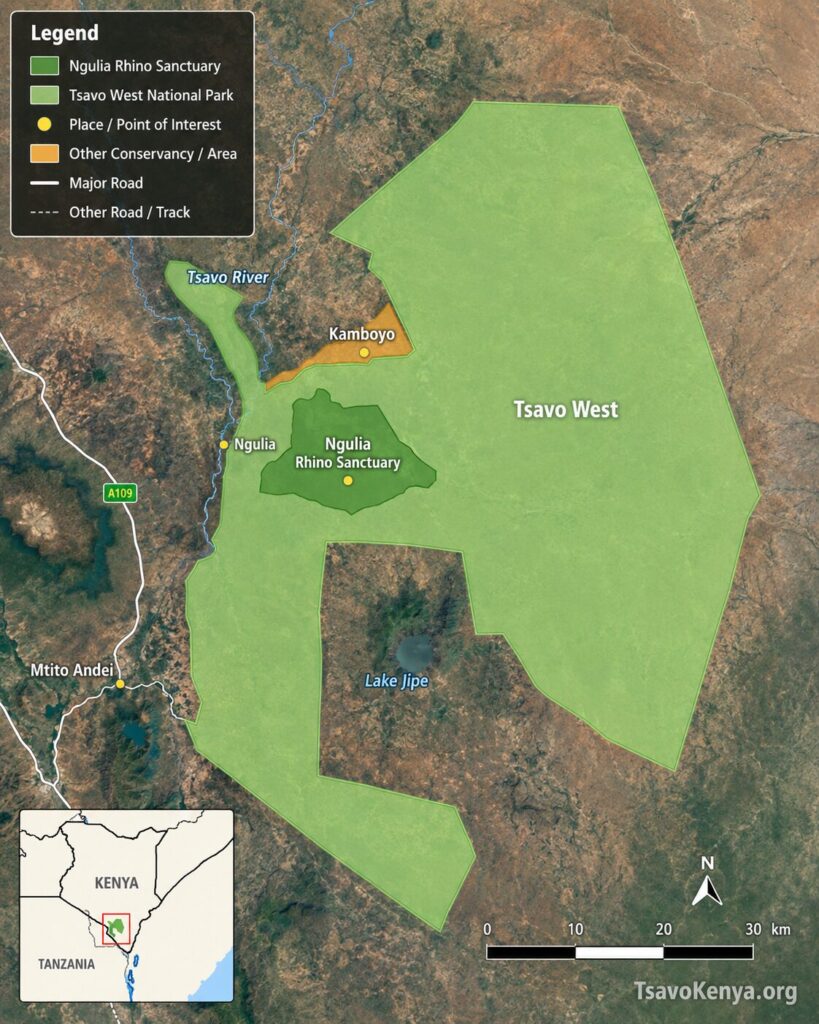
The legend on the top left distinguishes the main features clearly: Ngulia Rhino Sanctuary is shown in darker green, Tsavo West National Park in lighter green, places and points of interest with yellow dots, other conservancy or surrounding areas in orange, major roads in white, and minor tracks as dashed lines. A locator inset in the bottom-left places the area within southeastern Kenya near the Tanzania border, while the scale bar and north arrow help readers understand distance and orientation. The TsavoKenya.org watermark appears in the bottom-right corner.
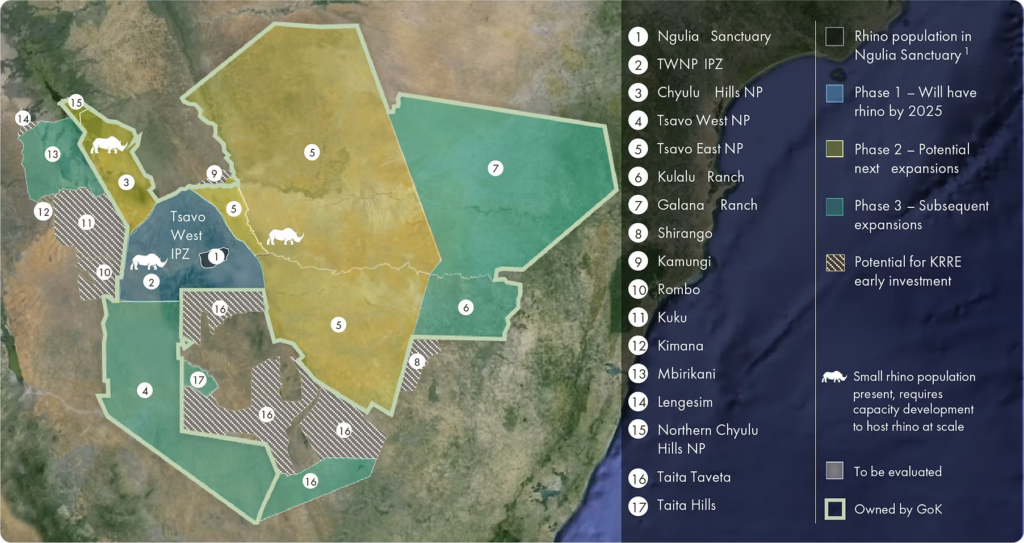
Ngulia is part of the larger Kenya Rhino Range Expansion Project.
How Do You Get to Ngulia Rhino Sanctuary?
You reach Ngulia Rhino Sanctuary by entering Tsavo West National Park through the gate and route that match your starting point, lodge and safari itinerary.
Ngulia is not a casual roadside stop. You should plan it as part of a Tsavo West game-drive route with a proper safari vehicle and guide. KWS notes that Mtito Andei Gate sits on the Nairobi–Mombasa Road, 233 km south of Nairobi and 250 km north of Mombasa, which helps explain why Tsavo is a natural road-safari link between Nairobi and the coast.
| Starting Point | Practical Route Logic | Better Trip Length |
|---|---|---|
| Nairobi | Drive toward Tsavo West via the Nairobi–Mombasa highway or southern circuit routing | 2–3 days |
| Mombasa | Longer inland route; better with overnight stays | 2–3 days |
| Diani | Beach-to-bush route through the coast corridor; avoid overloading one day | 3 days |
| Voi | Useful gateway for Tsavo East and Tsavo West connections | 1–2 days depending on lodge |
| Amboseli | Good overland combination into Tsavo West | 2–4 days |
| Tsavo East | Combine East and West through a planned cross-park itinerary | 3 days or more |
Ngulia works poorly as an afterthought. The route should be built around where you sleep, how much game-drive time you have, and whether your main interest is rhinos, landscapes, birds, photography or a broader Tsavo safari.
What is the Size of the Expanded Ngulia Sanctuary?
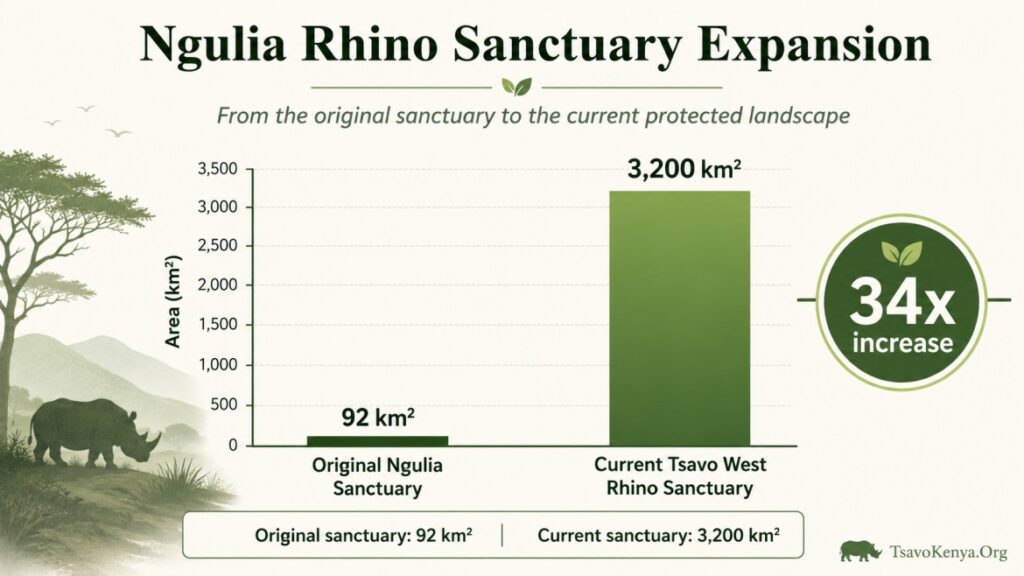
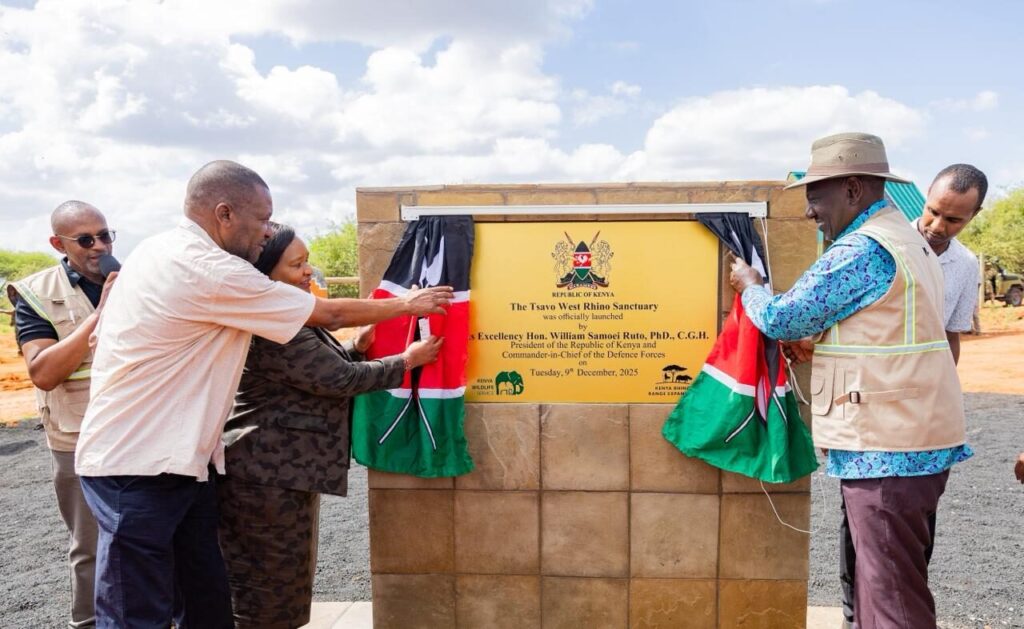
The expanded Ngulia Rhino Sanctuary in Tsavo West National Park now covers 3,200 square kilometres. Launched in December 2025, the expansion transformed the former 92 sq. km fenced Ngulia Rhino Sanctuary into what KWS described as the world’s largest rhino sanctuary, bringing together about 150 black rhinos from Ngulia and 50 from the Tsavo West Intensive Protection Zone into a founder population of roughly 200 black rhinos.
Is the New Expanded Ngulia Rhino Sanctuary Fenced?
The expanded Ngulia / Tsavo West Rhino Sanctuary is not fenced in the same simple way as the old 92 sq. km Ngulia Rhino Sanctuary. The old sanctuary was a compact fenced rhino enclosure, while the new 3,200 sq. km sanctuary is better understood as a large, secured, connected rhino landscape inside Tsavo West National Park.
KWS describes the expansion as a shift from the overcrowded former 92 sq. km Ngulia Sanctuary into a much larger 3,200 sq. km landscape that brings together about 150 black rhinos from Ngulia and 50 from the Tsavo West Intensive Protection Zone, creating a founder population of roughly 200 black rhinos. KWS also says the new sanctuary is supported by ecological planning, tracking systems, AI-assisted surveillance, VHF/LoRaWAN monitoring, and upgraded ranger infrastructure, but it does not clearly state that the entire 3,200 sq. km area is enclosed by one continuous perimeter fence.
The Star Newspaper reported that the expansion included more than 250 km of upgraded fencing, along with ranger houses, operational bases, access roads, cutlines, firebreaks, water infrastructure, AI-enabled cameras, drones, aerial surveillance, radio networks, patrol vehicles, and more than 300 security personnel. That shows fencing is a major part of the protection system, but the wider model is landscape security, not simply perimeter fencing.
Why the Ngulia Sanctuary Expansion Was Necessary
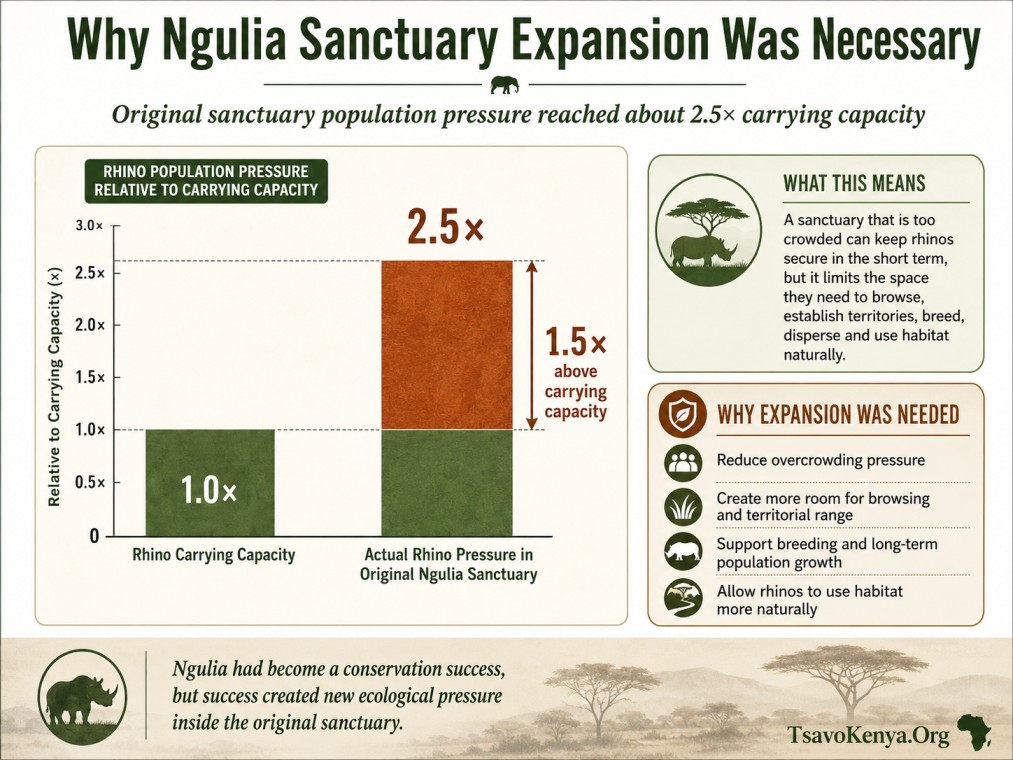
The expansion of Ngulia Sanctuary was necessary because the original rhino sanctuary had become too small for the black rhino population it was protecting. Ngulia had become a major conservation success, but that success created a new pressure: the sanctuary was already about 2.5 times over its rhino carrying capacity. A sanctuary that is overcrowded can keep rhinos secure in the short term, but it limits the space they need to browse, establish territories, breed, disperse and use habitat naturally.
This same pattern of conservation success creating new ecological pressure is also seen in Nairobi National Park. At Ngulia, black rhino numbers rose beyond the carrying capacity of the Intensive Protection Zone, making expansion necessary. Nairobi National Park faced a similar challenge when its black rhino population reached 124 individuals, far above the park’s set carrying capacity of 59, as explained in this Nairobi Park’s Black Rhinos at Nairobi National Park guide
The wider Tsavo ecosystem covers about 22,000 km², making it one of Kenya’s largest protected and semi-protected conservation landscapes. Within that ecosystem, the area surrounding Ngulia offers one of the most logical places to expand secure rhino habitat because it sits within the broader protected-area network of Tsavo West. The Kenya Rhino Range Expansion priority was therefore not simply to enlarge a fence line, but to create a bigger, better-managed rhino landscape around Ngulia by building infrastructure and supporting KWS management across about 3,500 km² of surrounding habitat.
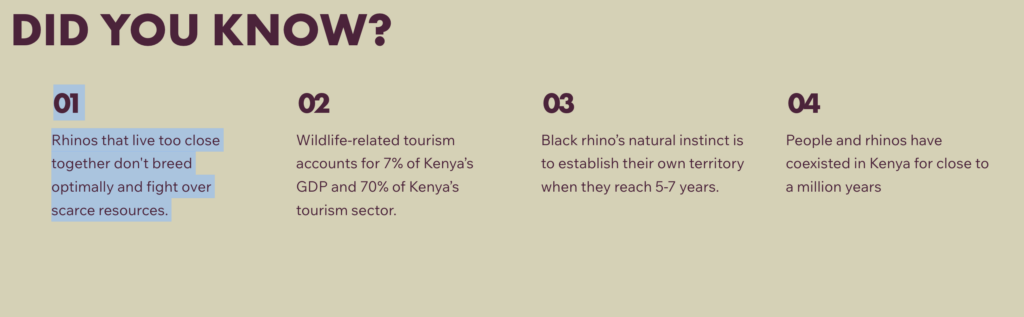
The expansion matters because black rhinos are territorial browsers. As numbers increase inside a small sanctuary, animals compete more for browsing areas, breeding space and secure territories. This can slow population growth and increase management pressure. Expanding from the old Ngulia sanctuary into a much larger secure area creates 34 times more space, allowing rhinos to spread into suitable habitat while reducing the ecological pressure that had built up inside the original sanctuary.
The move also strengthens Kenya’s wider rhino recovery strategy. Overcrowded sanctuaries cannot carry national recovery goals indefinitely. Kenya needs larger, secure landscapes that can hold viable rhino populations over the long term. Tsavo West is especially important because it offers scale: the surrounding landscape gives conservation managers a chance to move beyond emergency protection and build a larger population with better space, better habitat use and better long-term ecological resilience.
For Tsavo, the expansion changes Ngulia from a small sanctuary success story into the foundation of a larger rhino range. The original sanctuary helped save rhinos when protection was urgent. The expanded landscape gives those rhinos room to recover properly. That is why the Ngulia expansion was necessary: it relieved pressure on an overcrowded sanctuary, opened secure habitat in one of Kenya’s largest ecosystems, and gave Tsavo the space needed to support a viable black rhino population into the future.
Is Ngulia Practical From Nairobi?
Ngulia Rhino Sanctuary is practical from Nairobi as a 2-day or 3-day Tsavo West safari, with 3 days giving you a more comfortable pace and better route flexibility.
A 2-day Nairobi to Ngulia safari works when you want a compact Tsavo West experience. You will spend a significant part of the first and last day driving, so the itinerary needs an early departure, a well-located lodge and a guide who knows how to manage the limited game-drive window.
A 3-day Nairobi to Ngulia safari gives more value because it creates time for:
- A slower Tsavo West arrival drive.
- A dedicated Ngulia or rhino-focused route.
- Mzima Springs.
- Shetani Lava or Chaimu Hill.
- Roaring Rocks or escarpment viewpoints.
- Birding and lodge waterhole time.
- Better photography in early and late light.
Choose 2 days when your schedule is tight. Choose 3 days when you want Ngulia to feel like a real Tsavo West safari rather than a long road transfer with a short game drive.
Is Ngulia Practical From Mombasa or Diani?
Ngulia Rhino Sanctuary is possible from Mombasa or Diani, but Tsavo East is usually the easier short safari from the coast, while Ngulia and Tsavo West need more time.
Coast visitors often underestimate the size of Tsavo. Mombasa and Diani work very well for Tsavo East, especially for red elephants, Aruba Dam, Galana River routes and Voi-side lodges. Ngulia sits deeper into the Tsavo West side of the safari system, so it makes more sense in a 3-day itinerary or a well-planned Tsavo East–Tsavo West combination.
| Coast-Based Plan | Suitable For |
|---|---|
| 1-day Tsavo East | Quick wildlife taste, limited time |
| 2-day Tsavo East | Better coast safari with red elephants and lodge time |
| 3-day Tsavo East and Tsavo West | Good way to add Ngulia, Mzima Springs and lava landscapes |
| 4-day Diani–Tsavo East–Tsavo West–Amboseli | Better for serious wildlife, photography and conservation interest |
Ngulia is worth adding from the coast when you want rhino conservation and Tsavo West landscapes, not when you only want the fastest beach-to-safari excursion.
Can You Combine Ngulia With Amboseli?
Ngulia combines well with Amboseli because the route links two different conservation stories: Amboseli’s elephant and Kilimanjaro landscape, and Tsavo West’s rhino, lava and spring-fed habitats.
Amboseli gives you open views, wetlands, elephants and Kilimanjaro scenery. Tsavo West gives you Ngulia, black rhino conservation, volcanic slopes, Mzima Springs, wooded valleys and more rugged terrain. A combined route works especially well for visitors who want a southern Kenya safari without flying between parks.
A practical sequence can be:
| Day | Route | Main Focus |
|---|---|---|
| Day 1 | Nairobi to Amboseli | Elephants, wetlands, Kilimanjaro views |
| Day 2 | Amboseli to Tsavo West | Scenic transfer, afternoon game drive |
| Day 3 | Tsavo West Ngulia and Mzima Springs | Rhino conservation, springs, landscapes |
| Day 4 | Tsavo West to Nairobi or coast | Final game drive and onward travel |
This route suits visitors who want ecological contrast rather than a one-park checklist.
Can You See Rhinos at Ngulia Rhino Sanctuary?
You can see rhinos at Ngulia, but sightings are never guaranteed because black rhinos are shy, security-sensitive browsers that often use thick cover and move according to habitat, temperature, water and disturbance.
Ngulia is a conservation landscape first and a tourist viewing area second. A responsible guide uses habitat knowledge, spoor, browsing signs, safe recent information and careful fieldcraft. A responsible guide does not broadcast exact rhino positions or create vehicle pressure around a sensitive animal.
Rhino sightings depend on:
- Time of day.
- Heat and shade.
- Vegetation thickness.
- Recent movement.
- Road access.
- Ranger guidance where relevant.
- Vehicle discipline.
- Guide experience.
- Visitor patience.
Black rhino viewing is more subtle than watching elephants on an open plain. You may see a rhino briefly in thick bush, at distance, or moving across habitat. That is still a meaningful sighting in a real conservation landscape.
Why Are Exact Rhino Locations Treated Carefully?
Exact rhino locations should not be shared publicly because endangered rhinos are vulnerable to poaching risk, crowding pressure and disturbance.
Rhino conservation relies on security. Publicly exposing exact positions can create unnecessary risk, especially in landscapes where rhino protection depends on controlled information, monitoring and ranger coordination. Good safari practice protects the animal before it serves the photograph.
Responsible Ngulia rhino tourism means:
- Keep distance from rhinos.
- Do not pressure a rhino for a better angle.
- Do not block its movement.
- Do not call other vehicles into sensitive positions.
- Do not post exact live locations online.
- Follow guide and ranger instructions.
- Accept that a brief sighting is still valuable.
- Treat the rhino as a threatened animal, not a trophy target.
Ngulia rewards visitors who understand that restraint is part of conservation.
Why Is Ngulia Important for Black Rhino Conservation?
Ngulia is important because it represents Kenya’s long struggle to protect black rhinos after severe poaching losses in the Tsavo ecosystem.
KWS states that the wider Tsavo landscape once supported more than 8,000 black rhinos before poaching reduced the population to fewer than 20 by 1989. The expanded Tsavo West Rhino Sanctuary now builds on the former Ngulia Sanctuary and creates a larger habitat intended to support population growth, genetic diversity, reduced territorial conflict and improved breeding success.
Ngulia’s conservation value comes from several linked functions:
| Conservation Function | Why It Matters |
|---|---|
| Rhino security | Protects rhinos from poaching and disturbance |
| Habitat management | Gives black rhinos space to browse, breed and disperse |
| Monitoring | Tracks individuals, breeding, movement and health |
| Population recovery | Supports Kenya’s wider black rhino recovery goals |
| Ecological balance | Reduces pressure from overcrowded smaller sanctuary spaces |
| Community benefit sharing | Links wildlife protection with local economic value |
| Conservation tourism | Gives visitors a reason to support rhino protection through responsible safaris |
Ngulia is therefore not only a place to look for rhinos. It is part of Kenya’s national rhino recovery infrastructure.
How Has Ngulia Changed With the Expanded Tsavo West Rhino Sanctuary?
Ngulia has changed from a compact historical sanctuary into the conservation foundation for a much larger Tsavo West rhino landscape.
KWS reported that the former 92 square kilometre Ngulia Sanctuary had exceeded its ecological carrying capacity, limiting breeding and survival. The new 3,200 square kilometre expanded sanctuary restores more ecological space and creates a larger connected landscape for rhino recovery.
This shift matters for safari interpretation. Older content may still frame Ngulia as a small fenced rhino area. The true conservation framing is that Ngulia is the historic core of a larger, landscape-scale rhino protection model.
For visitors, the change means:
- Rhino conservation is becoming more landscape-based.
- Rhinos have more room for natural movement.
- Safari routes may depend more on current access guidance.
- Sightings may feel less enclosure-like and more wild.
- Conservation interpretation becomes more important than simple ticking-off of rhinos.
Ngulia’s story is now about recovery at scale.
How Are Rhinos Protected at Ngulia?
Rhinos at Ngulia are protected through ranger patrols, monitoring systems, habitat planning, controlled tourism, anti-poaching work and wider KWS conservation infrastructure.
KWS linked the expanded Tsavo West sanctuary to advanced tracking systems, surveillance support and upgraded ranger infrastructure. The expansion was also described as part of the Kenya Rhino Range Expansion initiative, the Black Rhino Recovery and Action Plan and the National Wildlife Strategy 2030.
| Protection Measure | Visitor Meaning |
|---|---|
| Ranger patrols | Some areas may have controlled movement or security guidance |
| Rhino monitoring | Rhinos are known as individuals, not just anonymous sightings |
| Tracking technology | Conservation teams can follow movement and risk patterns |
| Habitat expansion | Rhino range becomes more natural and less compressed |
| Controlled tourism | Visitor behaviour matters around sensitive animals |
| Anti-poaching systems | Security remains central to rhino survival |
| Community benefit sharing | Local support helps strengthen conservation legitimacy |
When you book a safari with us, your guide will explain some of the Ngulia systems. Visitors who understand the conservation work usually appreciate the experience more, even when rhinos remain difficult to see.
What Other Animals Can You See Around Ngulia?
Ngulia and the wider Tsavo West landscape can produce sightings of elephants, buffalo, giraffes, zebras, antelopes, lions, leopards, cheetahs, hyenas, crocodiles, smaller mammals and many birds.
Tsavo West wildlife including leopard, cheetah, wild dogs, buffalo, rhino, elephant, giraffe, zebra, lion, crocodile, mongoose, hyrax, dik-dik, lesser kudu and nocturnal porcupine. The same KWS page lists 600 bird species for Tsavo West.
| Wildlife Group | What To Expect |
|---|---|
| Rhinos | Possible but not guaranteed; best treated as a conservation-focused target |
| Elephants | Present in Tsavo West, often linked to water, vegetation and movement corridors |
| Buffalo | Often seen in suitable grazing and water-linked areas |
| Giraffes and zebras | Common large herbivores across suitable habitats |
| Antelopes | Lesser kudu, dik-dik, oryx and other dryland species may occur |
| Lions | Present but less predictable than in open grassland parks |
| Leopards | Secretive and more likely around rocky, wooded or riverine habitats |
| Cheetahs | Present in suitable open areas, but not reliable |
| Birds | Excellent for slower drives and mixed-habitat routes |
Ngulia should be marketed as rhino country with wider Tsavo West wildlife, not as a single-species stop.
Are Lions and Leopards Seen Around Ngulia?
Lions and leopards occur in Tsavo West, but predator sightings around Ngulia require patience because the habitat is more wooded, rugged and broken than open savannah plains.
Predators in Tsavo West use cover, shade, water points, rocky ground and prey movement. Lions may be active in cooler hours, while leopards often remain elusive in bush, riverine and rocky habitats. The landscape gives predators space to disappear, which is part of Tsavo West’s character.
A better predator search depends on:
- Early starts.
- Slow driving.
- Fresh tracks.
- Prey concentration.
- Water sources.
- Guide experience.
- Longer time inside the park.
- Realistic expectations.
Ngulia is not Masai Mara-style open grassland. It is more layered, more secretive and more demanding as a wildlife landscape.
Is Ngulia Good for Birding?
Ngulia is good for birding because Tsavo West combines hills, bushland, acacia woodland, springs, dry valleys, rocky slopes and nearby wetland habitats.
Tsavo West’s 600 recorded bird species make the park valuable for birders, especially visitors who choose a private vehicle and allow slower movement.
Birding around a Ngulia-based safari can include:
- Raptors using ridges and thermals.
- Dry-country species in bush and acacia woodland.
- Water-associated birds near Mzima Springs and Lake Jipe routes.
- Nocturnal or crepuscular interest near lodges.
- Migrant species during seasonal movement windows.
- Photography opportunities in varied light and terrain.
Birders should not rush Ngulia. A rhino-focused route with birding stops usually works better in a private safari vehicle than in a fixed shared itinerary.
Is Ngulia Good for Safari Photography?
Ngulia is good for photography when you value conservation images, rugged Tsavo West landscapes, rhino habitat, elephants, birds, escarpments, lava scenery and quieter safari moments.
Ngulia is not always easy for close-up wildlife portraits. The bush can be thick, rhinos may stay partly hidden, and light can become harsh by late morning. The better photographic value often comes from wider storytelling: a rhino in habitat, elephants moving through red soil, a raptor over the hills, or a safari vehicle below the Ngulia escarpment.
Good Ngulia photography depends on:
- A private vehicle.
- Early and late game drives.
- A guide who understands light and positioning.
- Patience around thick cover.
- Respectful distance from rhinos.
- Flexible routing.
- A willingness to photograph habitat, not only animals.
A conservation-minded photographer should treat Ngulia as a landscape story, not only a close-up rhino search.
Can You Combine Ngulia With Mzima Springs?
Ngulia combines very well with Mzima Springs because the two areas show different sides of Tsavo West: dry rhino country and spring-fed aquatic habitat.
Mzima Springs gives visitors shade, clear water, hippos, fish, birds and a cooler contrast to the rocky, dry and bushy landscapes associated with Ngulia. A Tsavo West itinerary that includes both places feels more complete because it connects water, wildlife movement, geology and habitat diversity.
A balanced Tsavo West day can include:
| Time | Route Focus |
|---|---|
| Early morning | Rhino habitat and game drive routes |
| Late morning | Mzima Springs or scenic stop |
| Midday | Lodge rest, lunch or waterhole observation |
| Afternoon | Shetani Lava, Chaimu Hill, Roaring Rocks or wildlife route |
| Evening | Shorter game drive or lodge-based wildlife viewing |
Ngulia and Mzima Springs work especially well for families because the springs add a walking-and-viewing break after long vehicle hours.
Can You Combine Ngulia With Shetani Lava and Chaimu Hill?
Ngulia combines naturally with Shetani Lava and Chaimu Hill because Tsavo West’s safari identity includes both wildlife conservation and volcanic landscape interpretation.
Shetani Lava Flow is a lava flow formed from molten lava that erupted about 200 years ago, with cave exploration among the activities visitors can enjoy. The park’s volcanic features, including Chaimu Hill and the Five Sisters, add strong scenic and geological value to a Tsavo West safari.
A Ngulia safari becomes more distinctive when you combine:
- Rhino conservation around Ngulia.
- Mzima Springs water systems.
- Shetani Lava volcanic history.
- Chaimu Hill scenery.
- Roaring Rocks viewpoints.
- Lake Jipe birding where routing allows.
- Lodge waterhole observation.
This variety is the main reason Tsavo West should not be sold only as the rhino side of Tsavo. It is also the scenic, volcanic and habitat-diverse side.
Where Should You Stay Near Ngulia Rhino Sanctuary?
You should stay inside Tsavo West or in a lodge area that gives practical access to Ngulia, Mzima Springs and your chosen Tsavo West route.
Lodge position matters more than many visitors realise. A cheaper lodge in the wrong place can reduce your actual game-drive time and make the rhino sanctuary route feel rushed. A well-placed lodge gives your guide better access to early morning movement, late afternoon light and nearby attractions.
| Lodge Choice | Works Well For | Watch Out For |
|---|---|---|
| Inside Tsavo West near Ngulia routes | Rhino conservation, scenery, early starts | Higher cost than outside-park options |
| Tsavo West lodge near Mzima/Shetani routes | Scenic variety, families, first-time visitors | May need careful routing for Ngulia |
| Voi-area accommodation | Budget access and Tsavo East/West connection | Can add driving time into Tsavo West |
| Tsavo East lodge | Red elephants and Galana-style safari | Not ideal as a base for Ngulia |
| Amboseli lodge before Tsavo West | Southern circuit planning | Requires multi-day itinerary |
Ngulia Safari Lodge is commonly searched because of its name and location association with the sanctuary area. Visitors should evaluate any lodge by route access, actual game-drive time, guide quality, comfort, food, road conditions and whether the itinerary genuinely includes Tsavo West rhino habitat.
Are Budget Lodges Near Ngulia a Good Idea?
Budget lodges near Ngulia can work well when they reduce unnecessary driving and keep you close enough to Tsavo West game-drive routes.
Budget does not automatically mean poor safari value. A budget lodge can be sensible when your priorities are rhino conservation, route efficiency and basic comfort rather than luxury amenities. The risk comes when a cheap lodge sits too far from the route you need.
Budget travellers should check:
- Distance to the relevant Tsavo West gate.
- Distance to Ngulia-oriented routes.
- Whether park entry timing allows early starts.
- Vehicle quality.
- Whether meals are included.
- Whether guide and fuel are included.
- Whether the itinerary uses Tsavo West or only passes near it.
A budget Ngulia safari should save money without wasting your wildlife hours.
Are Luxury Lodges Near Ngulia Worth It?
Luxury lodges near Ngulia are worth considering when they improve location, guiding, comfort, route design and the quality of time you spend inside Tsavo West.
Luxury in Tsavo West should not only mean a better room. It should also mean better pacing, stronger guiding, quieter viewpoints, good food, reliable vehicles and more thoughtful interpretation of rhino conservation, lava landscapes and water systems.
Luxury works well for:
- Honeymoon safaris.
- Photography safaris.
- Conservation-focused travellers.
- Families who need comfort between drives.
- Visitors combining Amboseli and Tsavo West.
- Guests who want a slower safari pace.
The most useful luxury property is the one that supports the route you want, not simply the one with the most polished marketing.
What Should a Ngulia Rhino Sanctuary Safari Package Include?
A good Ngulia Rhino Sanctuary safari package should include clear Tsavo West routing, enough game-drive time, an experienced driver-guide, transparent park-fee guidance, suitable accommodation and realistic rhino expectations.
A proper package should not simply mention Ngulia in the title. It should show how the itinerary reaches the rhino landscape, where you stay, what nearby attractions are included and how the guide manages timing.
| Package Element | What To Confirm |
|---|---|
| Park routing | Tsavo West entry, Ngulia area logic and exit route |
| Vehicle | Safari-ready 4×4 or suitable safari vehicle |
| Guide | Tsavo West knowledge and rhino-sensitive guiding |
| Accommodation | Location relative to Ngulia and planned attractions |
| Park fees | Visitor category, adult/child rates and payment method |
| Game drives | Number, timing and duration |
| Attractions | Mzima Springs, Shetani Lava, Chaimu Hill or Roaring Rocks where practical |
| Meals | Full-board, half-board or excluded meals |
| Pickup/drop-off | Nairobi, Mombasa, Diani, Voi, Amboseli or lodge transfer |
| Rhino guidance | No guarantee of sightings; responsible viewing rules |
A booking that gives honest expectations is better than one that promises easy rhino sightings.
Is a Private Safari Better for Ngulia?
A private safari is better for Ngulia because rhino-focused viewing, birding, photography and conservation interpretation all require patience and flexible timing.
Shared safaris can work for general Tsavo sightseeing, but Ngulia benefits from a slower and more intentional approach. A private vehicle allows your guide to pause for tracks, wait in suitable habitat, adjust timing around heat, and combine rhino interest with Mzima Springs, Shetani Lava or scenic routes.
A private Ngulia safari helps you:
- Start earlier.
- Spend longer in productive habitat.
- Stop for birds and tracks.
- Avoid rushed group schedules.
- Position better for photography.
- Travel at a pace suitable for children or older guests.
- Build the day around conservation interpretation.
Private guiding is especially useful because rhino sightings may require patience rather than speed.
Is a Ngulia Rhino Sanctuary Day Trip Realistic?
A Ngulia Rhino Sanctuary day trip is realistic from nearby Tsavo West or Voi-area bases, but it is not ideal from Nairobi, Mombasa or Diani because road time will reduce the value of the safari.
A day trip makes sense when you are already close to Tsavo West and only need a focused game drive. It works poorly when you spend most of the day reaching the park and then rush the sanctuary route.
| Starting Point | Day Trip Suitability |
|---|---|
| Inside Tsavo West | Good |
| Near Voi | Possible with careful routing |
| Amboseli | Better as an overnight Tsavo West extension |
| Nairobi | Too rushed for most visitors |
| Mombasa | Better with overnight planning |
| Diani | Better as a 2–3 day safari |
| Tsavo East lodge | Possible only with good cross-park planning |
An overnight safari gives Ngulia more breathing room and improves your chance of a meaningful wildlife experience.
Is 2 Days Enough for Ngulia Rhino Sanctuary?
Two days are enough for a focused Ngulia and Tsavo West safari, especially from Nairobi, Voi or Amboseli, but the itinerary must avoid unnecessary detours.
A 2-day Ngulia safari should be simple and efficient.
| Day | Suggested Plan |
|---|---|
| Day 1 | Depart early, enter Tsavo West, afternoon game drive, overnight near Ngulia or Tsavo West route |
| Day 2 | Early rhino-focused route, Mzima Springs or scenic stop, return or continue onward |
Two days work for visitors who want a compact conservation-focused safari. The trade-off is limited time for Tsavo East, deep birding, photography and multiple Tsavo West attractions.
Is 3 Days Better for Ngulia Rhino Sanctuary?
Three days are better for Ngulia because they allow a fuller Tsavo West route with rhino conservation, Mzima Springs, lava landscapes, birding and less road pressure.
A 3-day route can focus only on Tsavo West or combine Tsavo East and Tsavo West.
| Itinerary Type | Day 1 | Day 2 | Day 3 |
|---|---|---|---|
| Tsavo West focus | Nairobi or Amboseli to Tsavo West | Ngulia, Mzima Springs, Shetani Lava | Final game drive and return |
| Tsavo East plus Ngulia | Coast or Nairobi to Tsavo East | Tsavo East to Tsavo West | Ngulia route and onward travel |
| Amboseli plus Ngulia | Nairobi to Amboseli | Amboseli to Tsavo West | Ngulia and return or continue |
Three days suit visitors who want the safari to feel interpretive rather than rushed.
What Are the Fees for Ngulia Rhino Sanctuary?
Ngulia Rhino Sanctuary is normally visited as part of Tsavo West National Park, so visitors should first budget for Tsavo West park entry, vehicle charges, guiding, accommodation and any special activities that apply.
The KWS October 2025 conservation fee schedule lists Tsavo East and Tsavo West under Wilderness Parks, with adult and child/student fees of KES 1,000 and KES 500 for East African citizens, KES 1,350 and KES 675 for Kenya residents, USD 80 and USD 40 for non-residents, and USD 40 and USD 20 for African citizens.
| Visitor Category | Adult Fee | Child or Student Fee |
|---|---|---|
| East African citizen | KES 1,000 | KES 500 |
| Kenya resident | KES 1,350 | KES 675 |
| Non-resident | USD 80 | USD 40 |
| African citizen | USD 40 | USD 20 |
The same KWS schedule lists motor vehicle charges by seat capacity, beginning at KES 600 for vehicles with fewer than 6 seats and KES 1,500 for vehicles with 6–12 seats.
Fees can change, so readers should check the current KWS fee notice or confirm with their operator before payment.
Do You Need Separate Tickets for Ngulia Rhino Sanctuary?
Most visitors should treat Ngulia as part of a Tsavo West National Park visit unless KWS, a lodge or an operator confirms a specific special activity or conservation experience requiring an extra charge.
The first ticket question is usually Tsavo West park entry, not a separate Ngulia ticket. Special arrangements may involve different rules, ranger guidance or activity charges, especially for guided experiences, walking activities or conservation-related access.
Before booking, ask:
- Does the itinerary enter Tsavo West National Park?
- Does the route genuinely include the Ngulia rhino landscape?
- Are KWS park fees included or excluded?
- Are vehicle fees included?
- Are special guide or ranger fees required?
- Are tickets paid through eCitizen or through the operator?
- Are rhino sightings presented honestly as possible, not guaranteed?
Clear fee language prevents disappointment at the gate or during the safari.
What Time Should You Visit Ngulia?
Early morning and late afternoon are usually better for Ngulia game drives because temperatures are cooler, wildlife movement is more active and light is better for photography.
KWS describes Tsavo West as an all-year-round destination, with temperatures ranging from 20–30°C and rainfall from 200–700 mm, including long rains around March–April and short rains around November–December.
A good Ngulia day uses heat intelligently:
| Time | Safari Value |
|---|---|
| Early morning | Better wildlife movement, cooler conditions, softer light |
| Late morning | Good for Mzima Springs, viewpoints or transfer sections |
| Midday | Often better for lodge rest, lunch and waterhole observation |
| Late afternoon | Good light, renewed movement, scenic landscape photography |
| After dark | Normal public game drives are restricted; follow KWS rules and operator guidance |
Ngulia is not a place to rush in the hottest part of the day and expect easy rhino viewing.
What Is the Best Season to Visit Ngulia?
Ngulia can be visited all year, but drier periods often make wildlife easier to read because animals use water and cover more predictably. Wetter periods can bring greener scenery, bird activity and more dispersed wildlife.
Tsavo West’s climate creates different safari conditions across the year. Dry months tend to improve visibility in some habitats, while rain can change road conditions, vegetation density and wildlife movement.
| Season Condition | Visitor Experience |
|---|---|
| Drier months | Better visibility, more water-linked wildlife activity, dustier roads |
| Long rains | Greener landscapes, possible road challenges, dispersed animals |
| Short rains | Fresh vegetation, birding interest, variable road conditions |
| Hot midday periods | Lower mammal activity and harsher light |
| Cool mornings | Better tracking, movement and photography conditions |
The right season depends on your priority. Rhino-focused visitors should prioritise good guiding and enough time over chasing a perfect month.
What Are the Road Conditions Around Ngulia?
Road conditions around Ngulia and Tsavo West vary by season, rainfall, maintenance and route, so a proper safari vehicle and experienced guide are important.
Tsavo West has rougher, more broken terrain than many visitors expect. Lava fields, rocky routes, black cotton soil sections, erosion, seasonal washouts and long internal distances can affect timing. A normal town car is not appropriate for serious Tsavo West safari routing.
A good vehicle should offer:
- Sufficient ground clearance.
- Reliable tyres and spare tyres.
- Good suspension.
- Drinking water storage.
- Binocular and camera-friendly viewing.
- A guide who knows the route.
- Communication support where possible.
- Park-compliant behaviour.
Road conditions should shape the itinerary. A responsible operator will not overload the day with too many attractions when seasonal roads are slow.
Is Ngulia Rhino Sanctuary Safe?
Ngulia Rhino Sanctuary is safe for visitors who stay inside the vehicle where required, follow guide instructions, respect park rules and avoid risky behaviour around wildlife.
The main visitor risks are not dramatic. They are usually caused by poor judgement: standing too close to wildlife, leaving the vehicle where it is not allowed, pressuring animals for photos, ignoring guide instructions, driving too fast, or underestimating heat and dehydration.
Ngulia safety rules are simple:
- Stay in the vehicle unless your guide confirms a permitted stop.
- Keep distance from rhinos, elephants, buffalo and predators.
- Do not feed wildlife.
- Do not shout, clap or whistle at animals.
- Do not block an animal’s path.
- Do not share exact live rhino locations publicly.
- Carry drinking water, sun protection and a basic first-aid kit.
- Respect KWS and guide instructions.
Rhino safety is also conservation safety. Calm behaviour protects both visitors and animals.
Is Ngulia Good for a Family Safari?
Ngulia can be good for families when the itinerary uses realistic drive times, a private vehicle, enough breaks and a lodge that keeps children comfortable between game drives.
Children often enjoy elephants, giraffes, zebras, birds, scenery and the feeling of a real wilderness drive. Rhino viewing can be less immediate because black rhinos are shy and may be hidden. A family guide should explain tracks, dung, habitats, water sources and animal behaviour in a way children can follow.
Family-friendly planning should include:
- Shorter morning and afternoon drives instead of one exhausting day.
- Mzima Springs as a break from vehicle time.
- A lodge with comfortable meals and rest space.
- Clear safety rules before entering the park.
- Binoculars for older children.
- Snacks and drinking water.
- Flexible photography stops.
Ngulia works best for families who want learning and wildlife interpretation, not only instant sightings.
Ngulia Rhino Sanctuary vs Tsavo East
Ngulia is better for rhino conservation and Tsavo West scenery, while Tsavo East is better for red elephants, open wilderness, Galana River routes and a classic coast-based safari.
KWS describes Tsavo East as Kenya’s largest protected area, with dust-red elephants, rhino, buffalo, lion, leopard, hippo, crocodile, waterbuck, lesser kudu, gerenuk and 500 recorded bird species. KWS also highlights the Galana River and the 300-kilometre Yatta Plateau, described as the longest lava flow in the world.
| Safari Question | Choose Ngulia and Tsavo West | Choose Tsavo East |
|---|---|---|
| Main interest | Black rhino conservation | Red elephants and open country |
| Landscape | Hills, lava, springs, woodland | Vast dryland plains, river systems, Yatta Plateau |
| Coast access | Better as multi-day route | Easier for short coast safaris |
| Wildlife style | More secretive and habitat-driven | More open and expansive |
| Photography | Landscapes, rhino habitat, springs | Elephants, dust, wide scenery |
| Family short safari | Good with careful pacing | Often easier from Mombasa or Diani |
A complete Tsavo safari combines both.
Ngulia Rhino Sanctuary vs Tsavo West
Ngulia is not separate from Tsavo West; it is one of the key conservation areas inside the wider Tsavo West safari experience.
Tsavo West includes Ngulia, Mzima Springs, Shetani Lava, Chaimu Hill, Roaring Rocks, Lake Jipe routes, volcanic hills, acacia woodland, rugged valleys and varied wildlife. Ngulia gives the park its rhino conservation depth, but Tsavo West offers more than rhinos.
Choose a wider Tsavo West itinerary when you want:
- Ngulia rhino conservation.
- Mzima Springs.
- Shetani Lava.
- Roaring Rocks.
- Chaimu Hill.
- Birding.
- Scenic photography.
- A route to or from Amboseli.
- A slower, more interpretive safari.
Ngulia should be positioned as the rhino chapter of Tsavo West, not the whole book.
Ngulia Rhino Sanctuary vs Amboseli
Ngulia is better for rhino conservation and rugged Tsavo West scenery, while Amboseli is better for elephants, wetlands and Kilimanjaro views.
| Comparison | Ngulia and Tsavo West | Amboseli |
|---|---|---|
| Main conservation story | Black rhino recovery | Elephant research and wetland-dependent wildlife |
| Signature scenery | Hills, lava, springs, bushland | Kilimanjaro views, wetlands, open plains |
| Wildlife visibility | More habitat-dependent | Often more open |
| Rhino relevance | High | Low |
| Elephant viewing | Good but less predictable than Amboseli | Very reliable by Kenyan safari standards |
| Route pairing | Combines well with Amboseli | Combines well with Tsavo West |
The best choice depends on your wildlife priority. Rhino-focused visitors should include Ngulia. Elephant-focused visitors should prioritise Amboseli or combine both.
Ngulia Rhino Sanctuary vs Masai Mara
Ngulia is better for black rhino conservation context and Tsavo West landscapes, while the Masai Mara is better for open-grassland predator viewing and migration-season drama.
| Safari Factor | Ngulia and Tsavo West | Masai Mara |
|---|---|---|
| Rhino conservation | Central theme | Not the main visitor identity |
| Predator visibility | Present but less predictable | Often easier in open grassland |
| Landscape | Dryland hills, lava, springs, bush | Rolling grasslands and river systems |
| Crowds | Often quieter | Can be busy in peak areas |
| Safari style | Conservation and landscape interpretation | Big-cat and open-plains game viewing |
| Coast connection | Easier with Tsavo routes | Less direct from the coast |
Ngulia and the Mara answer different safari questions. Ngulia suits visitors who care about conservation landscapes. The Mara suits visitors who want predator density and open plains.
What Should Visitors Look For in Ngulia Reviews?
Good Ngulia reviews should mention guide quality, realistic rhino expectations, route planning, lodge location, Tsavo West scenery and conservation interpretation.
A review that only says we saw no rhino or we saw one rhino does not tell the whole story. Rhino sightings are only one part of the Ngulia experience. A more useful review explains whether the guide understood the landscape, whether the route made sense, whether the lodge was well placed and whether the visitor had enough time.
Look for reviews that mention:
- Early start quality.
- Time spent inside Tsavo West.
- Guide knowledge.
- Rhino conservation explanation.
- Mzima Springs or Shetani Lava combination.
- Lodge access.
- Vehicle comfort.
- Honest expectations.
- Wildlife variety beyond rhinos.
- Respectful wildlife viewing.
Avoid operators that promise guaranteed rhino sightings or use Ngulia only as a marketing word without clear route details.
Ngulia Rhino Sanctuary Safari Planning Checklist
A good Ngulia safari plan should answer route, timing, lodge, guide, fee and conservation questions before you confirm the booking.
Use this checklist before booking:
- Confirm the safari enters Tsavo West National Park.
- Confirm the route includes the Ngulia or Tsavo West rhino landscape.
- Ask where you will sleep and how far it is from the relevant route.
- Confirm park fees and whether they are included.
- Confirm vehicle type and viewing setup.
- Confirm whether the itinerary includes Mzima Springs, Shetani Lava or other Tsavo West attractions.
- Ask how much actual game-drive time you will have.
- Ask whether the guide has Tsavo West experience.
- Confirm that rhino sightings are not guaranteed.
- Ask how the operator handles responsible rhino viewing.
The best Ngulia safari is not the one with the loudest promise. It is the one with enough time, honest expectations and a guide who understands conservation.
Suggested Internal Links for TsavoKenya.org
Use these naturally inside the final WordPress version:
| Anchor Text | Suggested Target |
|---|---|
| Tsavo West National Park safari guide | /tsavo-west-national-park/ |
| Tsavo East National Park safari guide | /tsavo-east-national-park/ |
| Tsavo park entry fees | /entry-fees/ |
| Tsavo East vs Tsavo West | /tsavo-east-vs-tsavo-west/ |
| Tsavo safaris from Mombasa | /tsavo-safari-from-mombasa/ |
| Tsavo safaris from Diani | /tsavo-safari-from-diani/ |
| Tsavo safaris from Nairobi | /tsavo-safari-from-nairobi/ |
| 3-day Tsavo East and West safari | /3-day-tsavo-east-west-safari/ |
| Tsavo West lodges | /tsavo-west-lodges/ |
| Mzima Springs guide | /mzima-springs/ |
Ngulia Rhino Sanctuary FAQs
What is Ngulia Rhino Sanctuary?
Ngulia Rhino Sanctuary is the historic black rhino sanctuary inside Tsavo West National Park. It is now part of the wider Tsavo West rhino conservation landscape.
Is Ngulia Rhino Sanctuary inside Tsavo West?
Yes. Ngulia is part of Tsavo West National Park and should be planned as a Tsavo West safari experience.
Is Ngulia the same as Tsavo West Rhino Sanctuary?
Ngulia is the historic core of Tsavo West’s rhino sanctuary story. The newer Tsavo West Rhino Sanctuary refers to a larger expanded conservation landscape built around and beyond the former Ngulia sanctuary.
Can you see rhinos at Ngulia?
Yes, rhino sightings are possible at Ngulia, but they are not guaranteed. Black rhinos use thick cover and are protected through careful monitoring and security.
Why are exact rhino locations not shared?
Exact rhino locations are sensitive because rhinos face poaching risk and disturbance pressure. Responsible visitors and guides avoid broadcasting live rhino positions.
How many rhinos are at Ngulia?
KWS reported that the expanded Tsavo West Rhino Sanctuary brought together 150 black rhinos from the former Ngulia Sanctuary and 50 from the Tsavo West Intensive Protection Zone, creating a founder population of 200 rhinos in the wider expanded landscape.
Is Ngulia good for a day trip?
Ngulia is good for a day trip only when you are already near Tsavo West. From Nairobi, Mombasa or Diani, an overnight or multi-day safari is usually more sensible.
How many days do you need for Ngulia?
Two days can work for a focused Ngulia and Tsavo West safari. Three days are better when you want Mzima Springs, Shetani Lava, birding, photography and a less rushed route.
What animals can you see near Ngulia?
Ngulia and Tsavo West can offer rhinos, elephants, buffalo, giraffes, zebras, lions, leopards, cheetahs, crocodiles, hyraxes, antelopes and many birds.
Is Ngulia good for birding?
Yes. Tsavo West has rich birdlife, and KWS lists 600 recorded bird species for the park.
Is Ngulia safe for families?
Ngulia is safe for families who follow guide instructions, stay in the vehicle where required and use a well-paced itinerary with enough rest time.
What is the entrance fee for Ngulia Rhino Sanctuary?
Visitors normally pay Tsavo West National Park conservation fees unless a special activity or arrangement applies. The KWS October 2025 schedule lists Tsavo West adult non-resident entry at USD 80 and child/student non-resident entry at USD 40.
What is the best time to visit Ngulia?
Ngulia can be visited year-round. Early morning and late afternoon game drives usually offer better wildlife movement, cooler temperatures and better light.
Should I choose Ngulia or Tsavo East?
Choose Ngulia and Tsavo West for rhino conservation, hills, springs and lava landscapes. Choose Tsavo East for red elephants, Galana River routes and broader open-country scenery.
Should I choose Ngulia or Amboseli?
Choose Ngulia for rhino conservation and Tsavo West scenery. Choose Amboseli for elephants, wetlands and Kilimanjaro views. A combined Amboseli–Tsavo West safari gives you both.
Final Expert Perspective for TsavoKenya.org Readers
Ngulia Rhino Sanctuary is one of the most important conservation areas in Tsavo West because it shows how rhino protection has changed over time. It should not be treated only as a place where visitors go to look for rhinos. Ngulia is part of a wider black rhino recovery landscape where protection depends on space, security, habitat quality, ranger patrols, monitoring, and careful management of visitor access.
The older idea of Ngulia as a small rhino sanctuary is now incomplete. The sanctuary began as a focused protection area for black rhinos at a time when poaching had severely reduced rhino numbers in Tsavo. Today, the wider Tsavo West rhino landscape reflects a broader conservation approach: giving rhinos more room to move, browse, breed, and establish territories while maintaining the security needed for a critically endangered species.
A visit to Ngulia is most rewarding when it is planned with enough time and the right expectations. Rhino sightings are possible, but they are not guaranteed, and exact rhino locations should never be shared publicly. A good guide interprets the landscape through tracks, browsing signs, water points, thick bush, patrol presence, road access, and habitat use, helping visitors understand why rhino conservation in Tsavo requires patience and discretion.
Ngulia also helps explain the difference between Tsavo West and Tsavo East. Tsavo East is known for red elephants, the Galana River, open dryland scenery, and long wildlife routes. Tsavo West offers a more layered experience, with black rhino conservation, Mzima Springs, Shetani Lava, Chaimu Hill, Roaring Rocks, wooded valleys, rugged hills, and bird-rich habitats. Together, the two parks show why Tsavo is not a single-style safari destination.
For visitors, Ngulia works best as part of a well-planned Tsavo West safari or a longer Tsavo East–Tsavo West itinerary. The right lodge location, route choice, guide quality, game-drive timing, and respect for rhino-sensitive information all shape the experience. Ngulia’s value is not only the chance of seeing a rhino; it is the opportunity to see how conservation, security, ecology, and responsible tourism meet in one of Kenya’s most important protected landscapes.
Ngulia Sanctuary Flier: